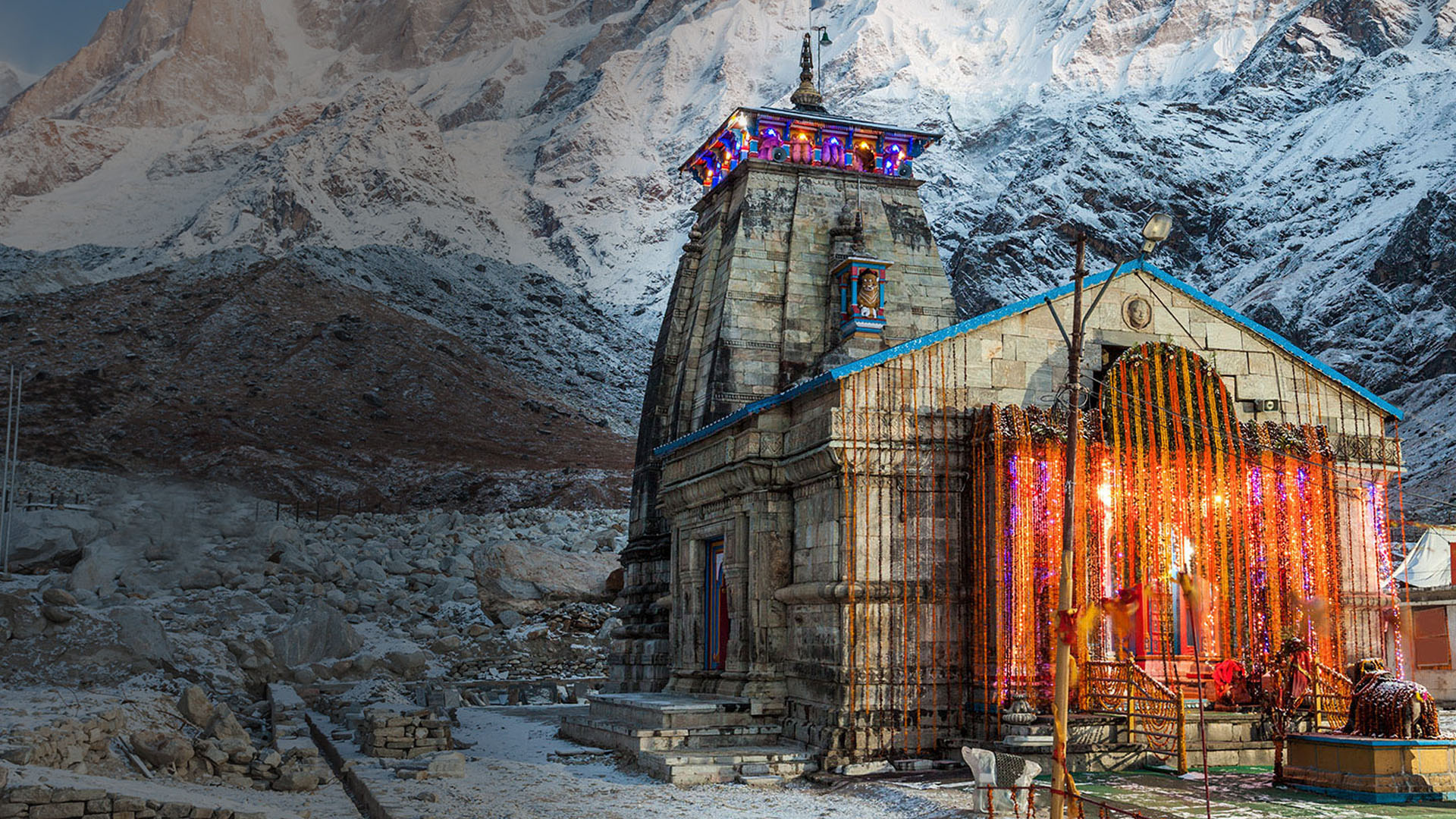
Yamunotri
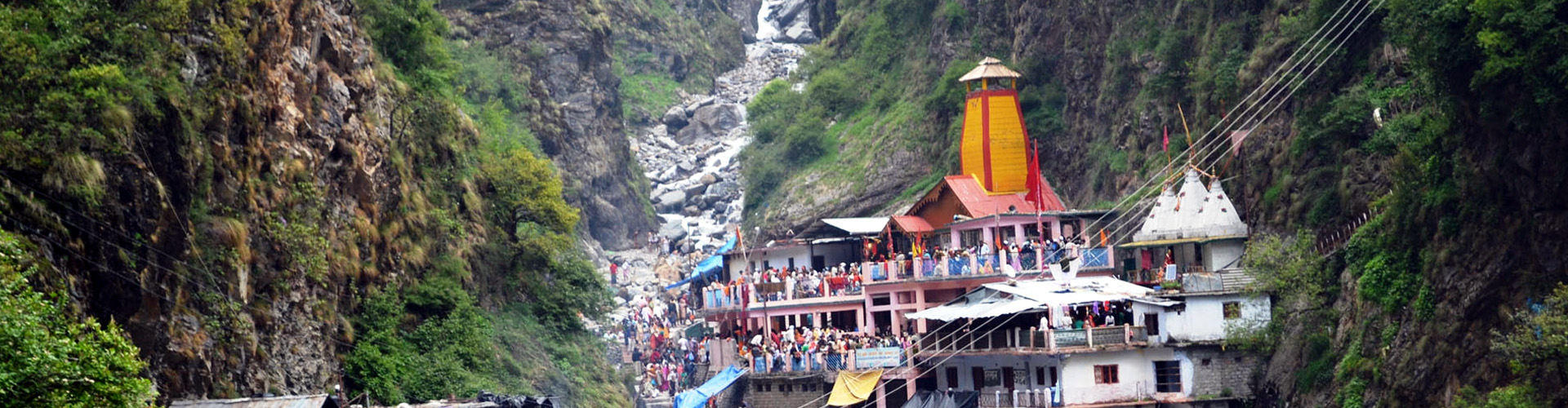
The holy site of Yamunotri is located in the Uttarkashi region of Uttarakhand, on the western slope of the Garhwal Himalayas. Yamunotri, with its massive mountain peaks, glaciers, and Yamuna River’s rushing waters, stands boldly at a height of about 3,293 meters above sea level. Yamunotri is one of the pilgrimage sites in the Char Dham Yatra in Uttarakhand because it is the source of the River Yamuna, the second most sacred river in India.
The revered goddess Yamuna is known as Yami in the Vedas. She is considered to be the twin sister of Yama (the god of death) and the daughter of Sun (lady of life). A bath in the Yamuna’s holy waters is thought to wash all sins and guard against early or painful death.
Yamuna Devi (the goddess) occupies high positions of divinity in Hindu mythology because of these potent connotations.
The holy site of Yamunotri is located in the Uttarkashi region of Uttarakhand, on the western slope of the Garhwal Himalayas. Yamunotri, with its massive mountain peaks, glaciers, and Yamuna River’s rushing waters, stands boldly at a height of about 3,293 meters above sea level. Yamunotri is one of the pilgrimage sites in the Char Dham Yatra in Uttarakhand because it is the source of the River Yamuna, the second most sacred river in India.
The revered goddess Yamuna is known as Yami in the Vedas. She is considered to be the twin sister of Yama (the god of death) and the daughter of Sun (lady of life). A bath in the Yamuna’s holy waters is thought to wash all sins and guard against early or painful death. Yamuna Devi (the goddess) occupies high positions of divinity in Hindu mythology because of these potent connotations.
History of Yamunotri
The sacred site of Goddess Yamuna is located on a side of Banderpoonch Parbat and not far from the base of Kalind Parbat (mountain). Yamunotri temple, which is tucked away in the daunting Himalayas, is thought to have been built in 1839 by Naresh Sudarshan Shah, monarch of Tehri. The magnificent surroundings of the temple, one of the Chota Char Dham pilgrimage sites, are enough to awe believers. The Yamuna River shoots down from one side of the temple, which is home to an idol of the Goddess Yamuna made of black marble. Along the Yamuna, in a white stone, Ganga Devi also finds her place.
On Yama Dwitiya, the Yamuna temple shutters its doors as winter approaches (the second day after Diwali or Bhai Dooj). Devi’s winter residence is the village of Kharsali, where she travels in a palanquin and spends the entire winter season. The goddess returns to bless Yamunotri once more during Akshaya Tritiya, which falls in April or May. Celebrations, intricate rituals, and Vedic chanting are used to create the Yamunotri shrine’s closing and opening rites.
Best time to visit Yamunotri
Yamunotri is chilly virtually the entire year, however, in the summer it warms up a bit. The region’s too-cold winters make it challenging for tourists to explore. Yamunotri has considerable rainfall throughout the monsoon season, disrupting travel to this location slightly. The summer months are thought to be the finest times to see Yamunotri’s genuine splendor. Visit this revered location during festivals like Basant Panchami and Phool Devi if you want to learn about its unique culture.
Travel Needs
When traveling to Yamunotri in the summer, there is a list of a few things that one must have with them. A daypack, trekking pants, a pair of cozy walking shoes, a windproof jacket, woolen clothing, a sunhat, sunglasses, lip balm, sunscreen lotion, a water bottle, a walking stick, personal amenities, and a flashlight with additional batteries are all required. To prevent the body from becoming dehydrated, you should bring energy drinks like Gatorade or ORS in addition to some dry fruits.
How to reach Yamunotri
By Air
You may fly to Yamunotri from Jolly Grant airport in Dehradun, which is the closest airport to Gangotri. From here, take a bus or a cab.
By train
Train Route to Yamunotri. Year-round, regular trains are offered to Haridwar and Dehradun. From here, take a bus or a cab.
By Road
Motorable roads come to an end at Janki Chatti, and it is from here that a difficult 6/5-kilometer journey begins to the revered Yamuna Devi shrine. To avoid the difficulties of travel, one can use ponies or palanquins. From popular locations like Rishikesh, Dehradun, Uttarkashi, Tehri, and Barkot, buses, and taxis are readily available
Origin of Yamuna River
The Yamunotri glacier, which reaches a height of 6,315 meters above sea level and is situated against a precipitous slope immediately below the summit of the Kalind mountain, is where the River Yamuna begins. The Yamuna descends into Saptarishi Kund from here and then shoots out in a string of waterfalls in the direction of the south. Banderpoonch, a prominent peak in the central Himalayan region of Garhwal that separates the Yamuna from the Ganges watershed, is situated to the west of the Kalind Parbat. The Yamuna is often referred to as Kalindi as it emerges from Kalind Parbat.
Places to see near Yamunotri
Yamunotri Trek
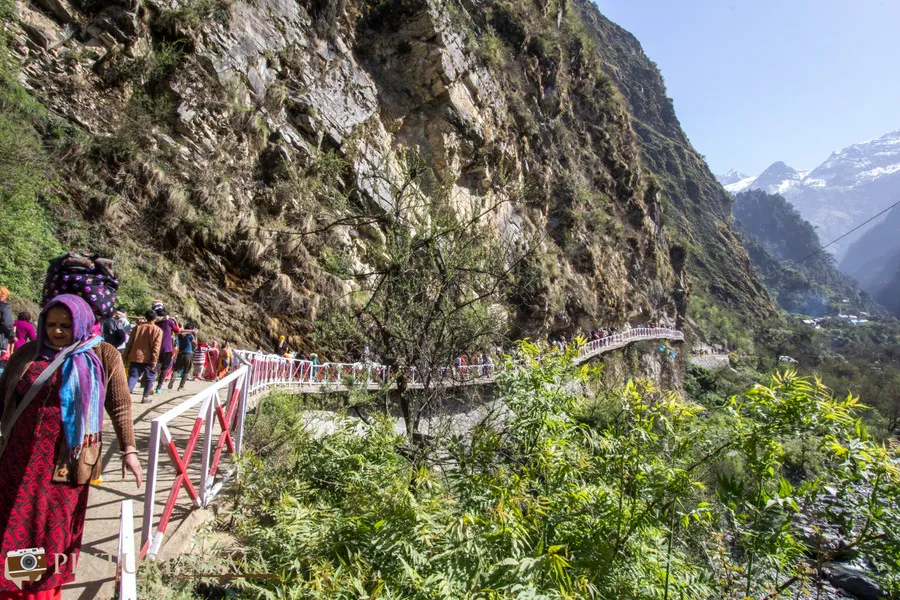
The Yamunotri trip, which is a 6-kilometer hike from Janki Chatti, is ideal for first-time hikers because it follows the river’s edge while mountains can be seen in the distance. It is a delightful experience to go the entire distance to the Yamunotri Temple through a deep forest full of tiny streams.
Kharsali
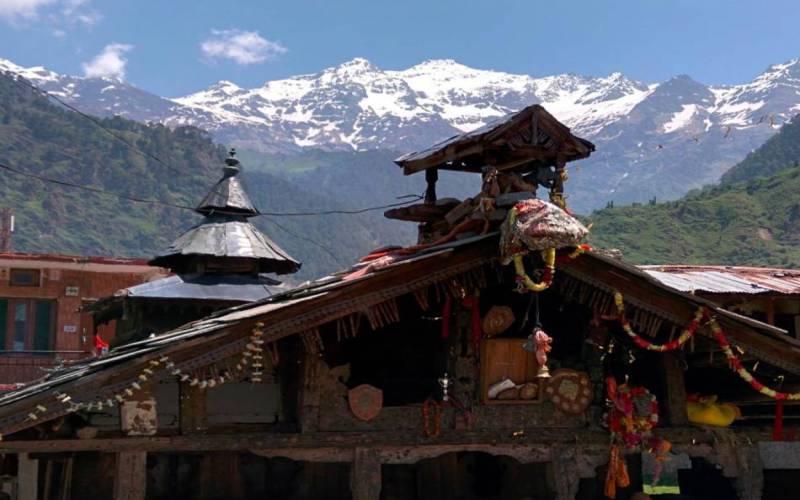
It is referred to as the Goddess Yamuna’s winter throne because, during the colder months, her idol is moved from the Yamunotri temple to the Kharsali temple for adoration. At a height of 2675 meters above sea level, it is a charming village. It is among the best locations to find tranquility.
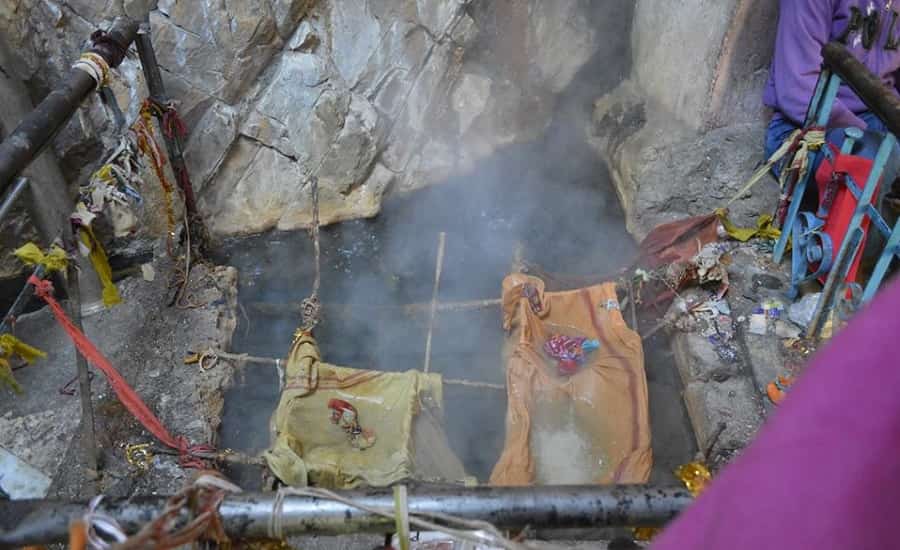
Surya Kund
This thermal spring, a prominent holy site, registers temperatures of almost 88 C. Before entering the Yamunotri Temple, pilgrims must stop at this location, where they dip an offering of cooked rice or potatoes seasoned with salt into the water before offering it to the goddess Yamuna. One of the most well-liked activities in Yamunotri is this.
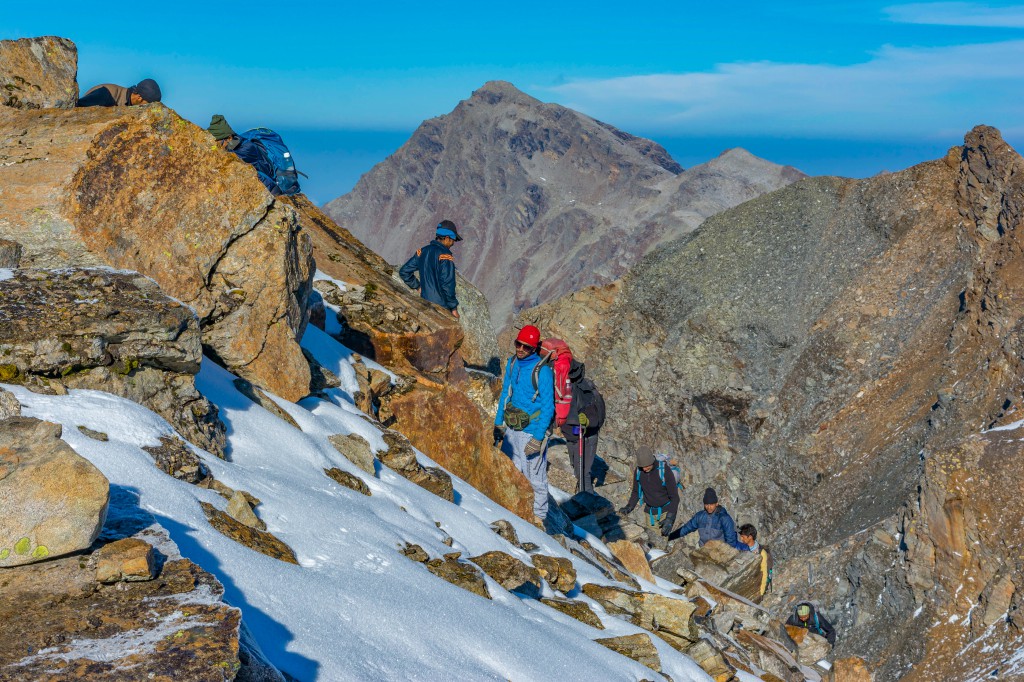
Bali Pass
The Bali Pass is located 16,240 feet above sea level and is largely undeveloped. Being a notorious trekking route, it is strongly advised to only ascend it with qualified and experienced guides. Naturally, May to October is the optimal month to complete the trek.
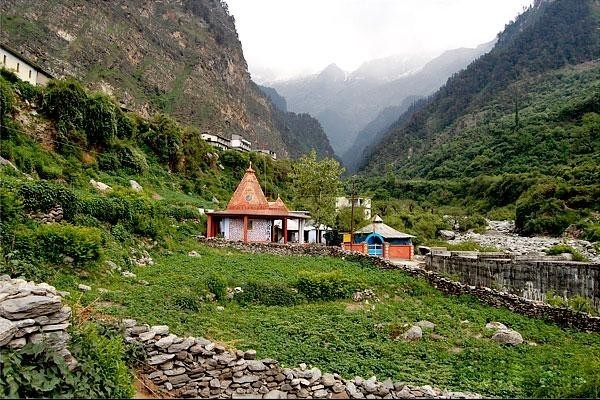
Hanuman Chatti
Hanuman Chatti, located at a height of 2400 meters, is a trekker’s paradise because it serves as the base camp for several breathtaking hikes to Yamunotri, Dodi Tal, and even Darwa Top. It is situated in a wonderfully beautiful setting at the confluence of the Ganga and Yamuna rivers. Between May and October, the area is crowded with tourists.
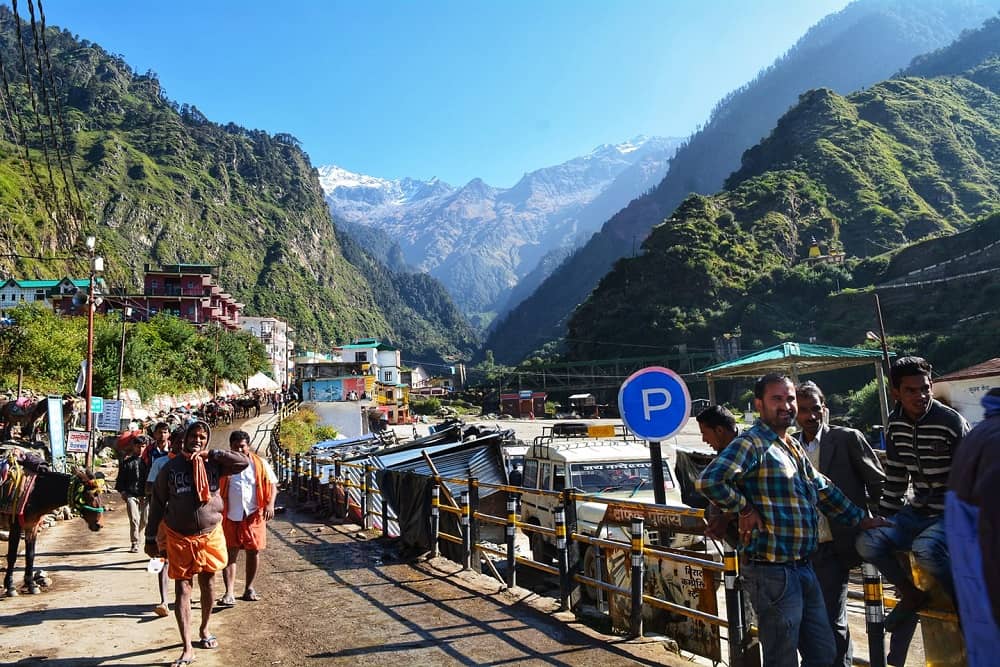
Janki Chatti
This location often referred to as the sister of Hanuman Chatti, is well-known for its numerous thermal hot springs and serves as the new home of the Yamunotri Dham. At 2700 meters above sea level, it is a unique location for everything from trekking to meditation and prayer. From May through October, thousands of pilgrims visit this Janki Chatti.